The Gloo AI Hackathon brings hundreds of builders together in Boulder to shape technology for good.
What happens when you bring together developers and pastors, university students and experienced technologists, ministry leaders and entrepreneurs, and give them increasingly capable AI agents to build alongside?
That’s the idea at the center of the 2026 Gloo AI Hackathon.
After a 30-day virtual build window, hundreds of builders are gathering in Boulder, Colorado, October 6–8 to take ideas, problems, and early prototypes and turn them into something real.
Some are experienced developers. Others are pastors, designers, entrepreneurs, students, ministry leaders, or first-time builders.
They come with different skills, experiences, and perspectives. And increasingly, they have AI agents that can extend what individuals and teams are capable of doing.
That’s why this year’s theme is “Build Together: Humans, Agents, and the Future of Flourishing.”
Because as AI becomes more capable, the question isn’t simply what technology can do. It’s what we choose to build with it, who we bring into the process, and whether what we create ultimately helps people flourish.
For the next 48 hours in Boulder, that’s what this community will be working toward together.
Building Together Changes Who Gets to Build
The person who understands a problem deeply may not know how to build the technology to solve it.
And the person who can build the technology may never have encountered that problem before.
Bring them together, and something different becomes possible.
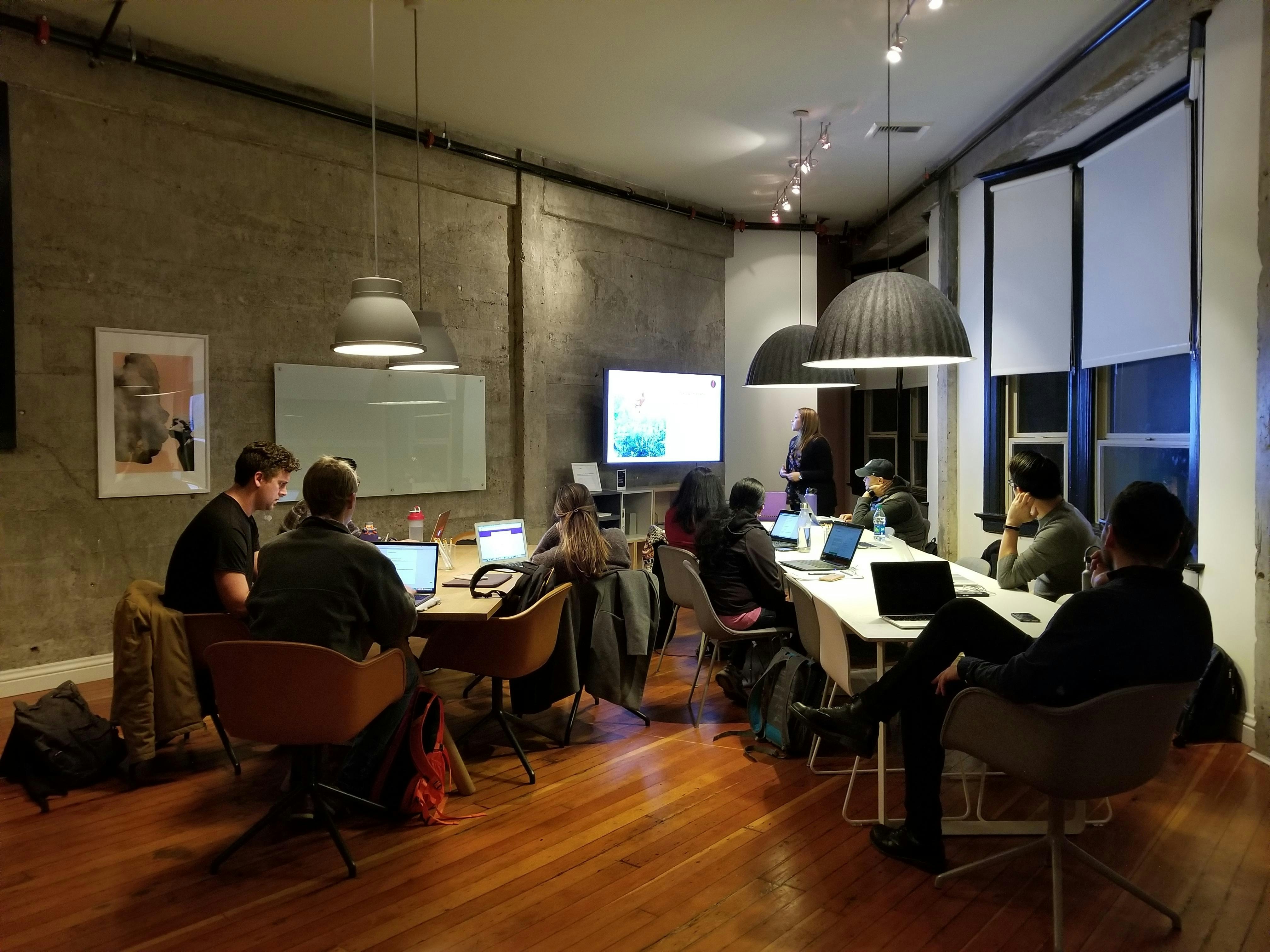
At the Hackathon, software engineers will build alongside pastors. College students alongside experienced technologists. Designers alongside ministry leaders and entrepreneurs. And AI agents can help extend what those people are capable of building together.
Humans bring the mission, judgment, lived experience, relationships, and understanding of the people they hope to serve. Agents can extend their capacity and help move ideas into working solutions faster.
The technology expands what’s possible. Humans determine what’s worth building.
The Next Generation Is Building
One of the clearest examples is the next generation of builders showing up this year.
University teams are joining the Hackathon from Biola University, Austin Christian University, Indiana Wesleyan University, Colorado Christian University, Jessup, Liberty University, Dallas Baptist University, and Samford University.
These students will inherit a world transformed by AI. But they’re not waiting for someone else to determine what that world looks like.
They’re helping build it.
From Hackathon Project to Real-World Product
At the 2025 Gloo AI Hackathon, a student-led team from Austin Christian University created Veritas, an AI-powered Bible study tool designed to help people not just know the Bible, but live it.
What started at the Hackathon didn’t stay there. Veritas is now a live product available on the web and the iOS App Store.
That’s the opportunity in front of this year’s students too: start here, build alongside people with different expertise, and create something that has the potential to keep going long after the Hackathon ends.
Building Together Around Problems That Matter
More people being able to build raises an important question: What should we build?
The Hackathon isn’t about building AI simply because we can.
Builders are working on real challenges alongside organizations that understand the people and communities they serve. The focus is Applied AI: putting technology to work serving real people, real organizations, and real communities.
YouVersion, for example, is bringing builders a real challenge: exploring new ways people can engage with Scripture beyond the traditional app experience.
Other builders are exploring how agents can extend human capacity, how AI can support ministry leaders and organizations, and how technology can contribute to human flourishing.
Partners bring problems, expertise, and an understanding of the people they serve. Builders bring ideas and different capabilities. Agents help extend what they can accomplish together.
Because the goal isn’t another AI demo.
It’s to build something useful.
Building Together Takes an Ecosystem
No single person or organization can shape the future of technology alone.
This year’s Hackathon brings together organizations from across technology, ministry, publishing, and the broader faith and flourishing ecosystem, including YouVersion, Biblica, WIF, Christianbook, Wiland, FiveQ, and others.
Each brings something different to the table: technology, expertise, resources, relationships, problems worth solving, and a deeper understanding of the communities builders hope to serve.
That’s what Building Together means.
It’s not simply hundreds of people working in the same room. It’s people with different perspectives building alongside one another. Organizations contributing what they know. Humans working with increasingly capable agents.
And all of it is pointed toward a shared destination: human flourishing.
48 Hours to Build What Comes Next
For the next 48 hours, all of those pieces come together in Boulder.
There will be ideas that change completely. Demos that work. Demos that don’t. Teams that meet collaborators they didn’t know before arriving. And conversations that become working technology before the Hackathon ends.
By October 8, we’ll see what they built.
But the bigger question comes afterward: What keeps going?
Veritas shows what can happen when a Hackathon build becomes something more.
Now a new group of builders gets its turn.
That’s why Gloo brings this community together. Not simply to talk about where technology is going, but to give people the tools, relationships, and opportunity to help shape where it goes.
Humans define the mission. Agents extend human capacity. Together, we can shape technology toward human flourishing.
Join us on social media for the next 48 hours and see the event unfold.
Share on: